 English
- English
-
 Español
 -
 Português
 -
 русский
 -
 Français
 -
 日本語
日本語 -
 Deutsch
 -
 tiếng Việt
 -
 Italiano
 -
 Nederlands
 -
 ภาษาไทย
 -
 Polski
 -
 한국어
한국어 -
 Svenska
 -
 magyar
 -
 Malay
Malay -
 বাংলা ভাষার
 -
 Dansk
Dansk -
 Suomi
Suomi -
 हिन्दी
 -
 Pilipino
 -
 Türkçe
 -
 Gaeilge
 -
 العربية
 -
 Indonesia
 -
 Norsk
Norsk -
 تمل
تمل -
 český
český -
 ελληνικά
 -
 український
 -
 Javanese
 -
 فارسی
فارسی -
 தமிழ்
தமிழ் -
 తెలుగు
 -
 नेपाली
 -
 Burmese
 -
 български
 -
 ລາວ
ລາວ -
 Latine
 -
 Қазақша
 -
 Euskal
 -
 Azərbaycan
 -
 Slovenský jazyk
 -
 Македонски
 -
 Lietuvos
 -
 Eesti Keel
 -
 Română
 -
 Slovenski
 -
 मराठी
मराठी -
 Srpski језик


Why Is the Slewing Ring Critical for the Rotating Motion of Heavy Machinery and Wind Turbines?
In the world of heavy machinery, there is a component that enables rotation under immense loads—the slewing ring. Also known as a turntable bearing, this large-scale bearing simultaneously handles axial forces, radial forces, and overturning moments, making it indispensable for equipment like excavators, cranes, wind turbines, and aerial work platforms. We examines the Slewing Ring from Huaxi, exploring its design principles, material requirements, and the critical role it plays in industries ranging from construction to renewable energy. We also look at the manufacturing capabilities, quality systems, and certifications that make Huaxi a trusted supplier in this demanding field.
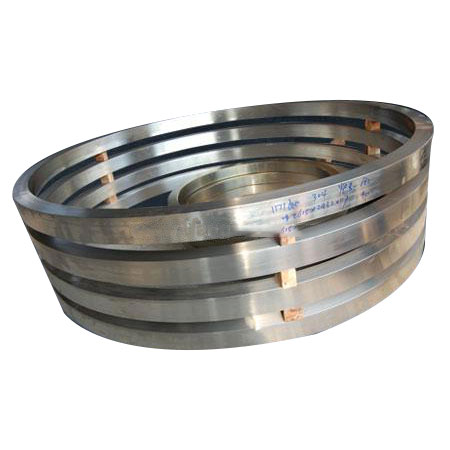
The "Joint" That Keeps Heavy Industry Moving
Imagine a massive wind turbine turning its blades to face the wind. Or a towering crane rotating its boom to lift heavy loads. Or an excavator swinging its arm to dig into the earth. In each of these machines, there is a single component that makes rotation possible—the slewing ring. Often called the "machine joint", this large bearing connects the rotating upper structure to the stationary lower structure, transmitting enormous forces while allowing smooth, controlled motion.
A slewing ring is not an ordinary bearing. It is typically large in diameter—ranging from 0.4 to 10 meters—and must withstand combined loads that would destroy standard bearings. These loads include axial forces (vertical weight), radial forces (horizontal pushes and pulls), and overturning moments (tilting forces). The design of the slewing ring, with its rolling elements, raceways, and often integrated gear teeth, allows it to support these loads while maintaining precise rotational control.
Jiangyin Huaxi Flange Co., Ltd., a subsidiary of Jiangsu Huaxi Group, has been manufacturing ring-type forgings and finished flanges since 1984. The company produces 35,000 tons of ring-type forgings and 25,000 tons of finished flanges and pipe fittings annually, with over 10,000 specifications. Their Slewing Ring products are made from stainless steel, carbon steel, alloy steel, and duplex steel, and are exported to 28 countries. This article explores the features, manufacturing processes, and applications that make Huaxi a significant player in the slewing ring market.
Technical Specifications
Below is a summary of the key characteristics and capabilities for the Slewing Ring products from Huaxi.
| Parameter | Details |
| Product Name | Slewing Ring (Turntable Bearing) |
| Brand | Huaxi |
| Material Options | Carbon steel, stainless steel, alloy steel, duplex steel |
| Common Materials | 50Mn, 42CrMo, C45 |
| Diameter Range | Typically 0.4m to 10m (customizable) |
| Key Features | Simultaneous axial, radial, and overturning moment capacity; gear teeth options (internal/external/toothless); bolt hole mounting |
| Annual Production | 35,000 tons ring-type forgings; 25,000 tons finished flanges and pipe fittings |
| Specifications Available | Over 10,000 varieties |
| Key Certifications | ISO9001, TUV Rheinland ISO9001 & PED, China Classification Society, BV, AQSIQ Class-A |
| Export Markets | Japan, USA, France, Germany, Italy, and 28 other countries |
What Makes a Slewing Ring Different from Ordinary Bearings?
To understand the value of a slewing ring, it helps to look at the unique demands it must meet.
Combined Load Capacity
A slewing ring is designed to handle a combination of forces that would quickly destroy a standard bearing. In a crane, the weight of the load and the boom creates a massive overturning moment. In a wind turbine, the weight of the nacelle and blades generates axial loads, while wind forces create radial and tilting loads. The slewing ring's robust design—with large-diameter raceways and multiple rows of rolling elements—distributes these forces effectively.
Large Diameter, Compact Height
Slewing rings are characterized by their large diameter relative to their height. This "plate-like" shape allows them to be mounted directly between the upper and lower structures of a machine, saving space while providing the necessary load capacity. The diameter can range from 200mm to 10,000mm or more, depending on the application.
Integrated Gear Teeth
Many slewing rings include gear teeth on the inner or outer ring, allowing direct integration with a drive pinion. This eliminates the need for a separate gear, simplifying the machine design and reducing weight. Options include internal gear, external gear, or toothless configurations.
Mounting Flexibility
Slewing rings are typically mounted using bolt holes on the inner and outer rings. This allows for easy integration into the machine structure. Flanged designs with bolt holes are common, providing secure attachment.
Manufacturing Process: From Raw Material to Finished Ring
The production of a high-quality slewing ring requires advanced forging, machining, and heat treatment capabilities. Huaxi has invested heavily in these areas.
Ring-Type Forging
The process begins with a steel ingot or billet, which is heated and then forged into a ring shape. Huaxi uses 3,600-ton oil hydraulic presses, 5m ring mills, and electro-hydraulic hammers to shape the material. This forging process aligns the grain structure of the steel, improving its strength, toughness, and resistance to fatigue.
Precision Machining
After forging, the ring undergoes precision machining. Huaxi is equipped with 2-5m vertical lathes, 5m NC drilling machines, and other advanced equipment. These machines produce the precise dimensions, bolt holes, and gear teeth required for the finished slewing ring. The use of CNC technology ensures consistency and accuracy.
Heat Treatment
Heat treatment is critical for achieving the mechanical properties needed for slewing rings. The process typically involves normalizing, annealing, quenching, and tempering. For demanding applications like wind turbines, materials such as 42CrMo4V are used, which require specific heat treatment parameters to achieve the required strength and toughness.
Quality Control and Inspection
Huaxi has a perfect quality guarantee system and a complete set of modern physicochemical inspection equipment. The quality department reports directly to the General Manager and strictly controls each step of the production process. This ensures that non-conforming materials never enter the warehouse, move to the next process, or leave the factory.
Applications Across Key Industries
The Slewing Ring from Huaxi is used in a wide variety of industries where heavy loads must rotate reliably.
• Wind Power – Slewing rings are critical components in wind turbines, used in the yaw system (to turn the nacelle into the wind) and the pitch system (to adjust the blade angle). The rings must withstand extreme weather conditions and provide reliable operation for decades.
• Construction and Excavation – Excavators, cranes, and aerial work platforms rely on slewing rings for their rotational movement. These machines operate in demanding environments with heavy loads and frequent, often oscillating, motion.
• Material Handling – Port cranes, ship unloaders, and stacker reclaimers use slewing rings to rotate their booms and handling equipment. The rings must handle high loads and frequent duty cycles.
• Mining Equipment – Large-scale mining machinery, such as draglines and bucket wheel excavators, uses slewing rings to support and rotate their massive structures.
• Marine and Offshore – Slewing rings are used in ship cranes, offshore platform cranes, and other marine applications where corrosion resistance and reliability are paramount.
• Industrial Machinery – Many types of industrial equipment, from robotics to turntables, use slewing rings for precise rotational control.
Frequently Asked Questions
Q: What is a slewing ring, and what does it do?
A: A slewing ring, also known as a turntable bearing, is a large bearing that can simultaneously support axial forces, radial forces, and overturning moments. It allows a structure to rotate while supporting heavy loads. Applications include cranes, excavators, wind turbines, and aerial work platforms.
Q: What materials are used in slewing rings?
A: Common materials include 50Mn, 42CrMo, and C45. For demanding applications like wind turbines, higher-grade materials such as 42CrMo4V are used. Huaxi offers slewing rings in carbon steel, stainless steel, alloy steel, and duplex steel.
Q: Can the slewing ring be customized?
A: Yes. Huaxi can produce slewing rings according to customer drawings or samples. Options include different diameters, gear configurations (internal, external, or toothless), and mounting hole patterns.
Q: What certifications does Huaxi hold for slewing ring production?
A: Huaxi holds ISO9001, German TUV Rheinland ISO9001 & PED, China Classification Society authorization, AQSIQ Class-A export enterprise assessment, and BV factory approval. These certifications demonstrate compliance with international quality and safety standards.
Q: What industries use slewing rings?
A: Slewing rings are used in wind power, construction and excavation, material handling, mining, marine and offshore, and general industrial machinery.
Q: What is the typical diameter range of a slewing ring?
A: The diameter of a slewing ring typically ranges from 0.4 to 10 meters, with some applications requiring even larger sizes.
Conclusion
The Slewing Ring from Huaxi is a critical component in the machinery that powers modern industry. Its ability to handle combined loads while enabling smooth, controlled rotation makes it essential for applications ranging from wind turbines to construction equipment. The manufacturing process—from ring-type forging to precision machining and heat treatment—requires advanced capabilities and rigorous quality control, areas in which Huaxi has invested significantly.
With over 35,000 tons of annual ring-type forging production, a comprehensive equipment base, and a suite of international certifications, Huaxi has positioned itself as a capable partner for customers in 28 countries. The company's ability to produce both standard and custom products, combined with its commitment to quality, makes it a reliable source for slewing rings and related components.
If you are looking for a reliable supplier of slewing rings for your industrial, wind power, or construction application, or if you have questions about custom specifications and pricing, we encourage you to contact us today.
Send Inquiry



X
We use cookies to offer you a better browsing experience, analyze site traffic and personalize content. By using this site, you agree to our use of cookies.
Privacy Policy