 English
- English
-
 Español
 -
 Português
 -
 русский
 -
 Français
 -
 日本語
日本語 -
 Deutsch
 -
 tiếng Việt
 -
 Italiano
 -
 Nederlands
 -
 ภาษาไทย
 -
 Polski
 -
 한국어
한국어 -
 Svenska
 -
 magyar
 -
 Malay
Malay -
 বাংলা ভাষার
 -
 Dansk
Dansk -
 Suomi
Suomi -
 हिन्दी
 -
 Pilipino
 -
 Türkçe
 -
 Gaeilge
 -
 العربية
 -
 Indonesia
 -
 Norsk
Norsk -
 تمل
تمل -
 český
český -
 ελληνικά
 -
 український
 -
 Javanese
 -
 فارسی
فارسی -
 தமிழ்
தமிழ் -
 తెలుగు
 -
 नेपाली
 -
 Burmese
 -
 български
 -
 ລາວ
ລາວ -
 Latine
 -
 Қазақша
 -
 Euskal
 -
 Azərbaycan
 -
 Slovenský jazyk
 -
 Македонски
 -
 Lietuvos
 -
 Eesti Keel
 -
 Română
 -
 Slovenski
 -
 मराठी
मराठी -
 Srpski језик


What Is a Wind Power Flange and Why Is It Essential for Wind Turbine Structures
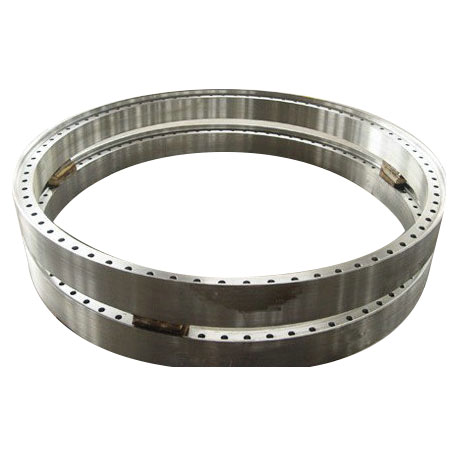
Wind power flanges are critical structural components in wind energy systems that provide secure, high-strength connections between sections of a wind turbine’s tower and machinery. In this in-depth exploration, we break down how wind power flanges work, their design and materials, manufacturing standards, applications, and why choosing a trusted manufacturer like Jiangyin Huaxi Flange Pipe Fittings Co., Ltd is essential for long-term operational reliability and safety.
📌 Table of Contents
- What Is a Wind Power Flange?
- How Does a Wind Power Flange Work?
- Materials & International Standards
- Key Applications in the Wind Energy Industry
- Advantages of High-Quality Wind Power Flanges
- Typical Specifications & Dimensions
- Manufacturing Process
- Frequently Asked Questions (FAQ)
- Conclusion + Contact Us
1. What Is a Wind Power Flange?
A wind power flange refers to a heavy-duty, bolted connection component used in the assembly of wind turbine towers, hubs, and other major structural sections. It provides a mechanically strong, reliable interface that connects large tubular segments and enables regular maintenance access and modular installation.
Flanges are broadly used in piping and infrastructure, but wind power flanges are engineered specifically to handle dynamic loads, variable environmental stresses, and the high mechanical demands of wind generation systems.
2. How Does a Wind Power Flange Work?
Wind power flanges serve as bolted connection interfaces between major components. The bolted flange pair creates a rigid joint that can withstand axial loads, shear forces, and bending moments in service. In a typical turbine assembly:
- Flanges are aligned on adjacent sections (e.g., tower base and mid-section)
- High-strength bolts are inserted and torque-tightened to specification
- Gaskets or precision machined faces ensure pressure-tight and vibration-resistant connections
Because turbines are often tall and subjected to wind fatigue, extreme temperatures, and rotational torque, the flange design must ensure long-term reliability under fatigue and cyclic loads.
3. Materials & International Standards
Wind power flanges must comply with stringent international engineering standards to ensure safety and performance. Typical standards include:
- ANSI/ASME (American)
- EN/DIN/BS (European)
- JIS/KS (Asian)
- GB (China National Standard)
These standards define dimensions, tolerances, bolt patterns, pressure ratings, and face types. Quality materials commonly include high-strength steel grades such as low-alloy structural steel (e.g., S355NL or Q345E) — which are suitable for welded and bolted connections under varied temperature conditions.
4. Key Applications in the Wind Energy Industry
Wind power flanges are predominantly used in:
- Wind turbine tower sections
- Hub-to-nacelle adapters
- Tower base plates
- Transition pieces for offshore turbines
- Blade root structural connections
Because wind turbines are modular, flanges enable easier transportation and assembly of large sections on site — particularly in utility-scale installations.
5. Advantages of High-Quality Wind Power Flanges
Choosing advanced and certified wind flanges delivers several performance benefits:
- Improved structural integrity — capable of bearing thrust and vibration loads
- Maintenance accessibility — detachable connections reduce downtime
- Longevity and safety — engineered to fatigue-resistant standards
- International compliance — meets global installation requirements
6. Typical Specifications & Dimensions
| Parameter | Details |
|---|---|
| Material Types | Carbon Steel, Stainless Steel, Alloy Steel |
| Size Range | 1/2″ to 72″ or larger (project-dependent) |
| Pressure Ratings | 150 – 2500+ Class (PN6 – PN100+) |
| Face Types | RF, FF, Tongue & Groove, etc. |
| Surface Finish | Galvanized, Black Painted, Anti-rust Oil, etc. |
| Applications | Wind Turbines, Petrochemical, Construction, Power Plants |
These parameters represent typical engineering ranges. Actual flange design and selection must be validated by project specifications and structural calculations.
7. How Is a Wind Power Flange Manufactured?
Wind power flanges begin as high-grade steel forgings that undergo multiple quality-controlled processes:
- Raw material inspection & certification
- Forging under hydraulic presses
- Heat treatment (normalizing/annealing)
- CNC precision machining
- Surface finishing and protection
- Final inspection and testing
These stages ensure the flange meets design tolerances and fatigue requirements crucial for wind turbine reliability.
8. Frequently Asked Questions (FAQ)
Q: What makes a wind power flange different from a standard flange?
A: Wind power flanges are engineered for large-diameter, high-load, dynamic structural connections — often exceeding standard pipe flange designs in thickness, size, and fatigue resistance.
Q: Can wind power flanges be customized?
A: Yes — projects with unique geometries or materials often require custom machining based on design drawings or engineering data.
Q: What quality certifications should I look for?
A: ISO9001 quality management and specific industry certifications (e.g., TUV Rheinland) ensure manufacturing compliance and traceability.
9. Conclusion & Next Steps
In summary, a wind power flange is an indispensable structural component in wind energy infrastructure, connecting major tower sections, hubs, and machinery with high mechanical integrity and durability. Sourcing high-quality wind power flanges from trusted manufacturers like Jiangyin Huaxi Flange Pipe Fittings Co., Ltd ensures compliance with global standards, long-term reliability, and precision performance over the life cycle of your wind project.
If you are specifying wind power flanges for a project, design revision, or OEM supply chain, contact us today to discuss custom sizes, certifications, pricing, delivery times, and technical consultation. We’re here to help you build safer, stronger, and more efficient wind energy systems.
Send Inquiry



X
We use cookies to offer you a better browsing experience, analyze site traffic and personalize content. By using this site, you agree to our use of cookies.
Privacy Policy